Fast & Reliable Worldwide Shipping


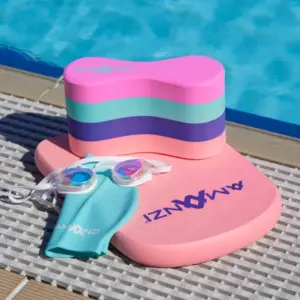



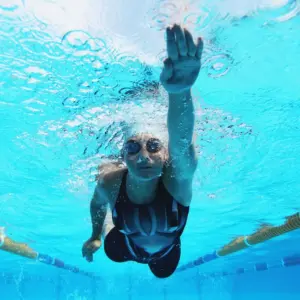


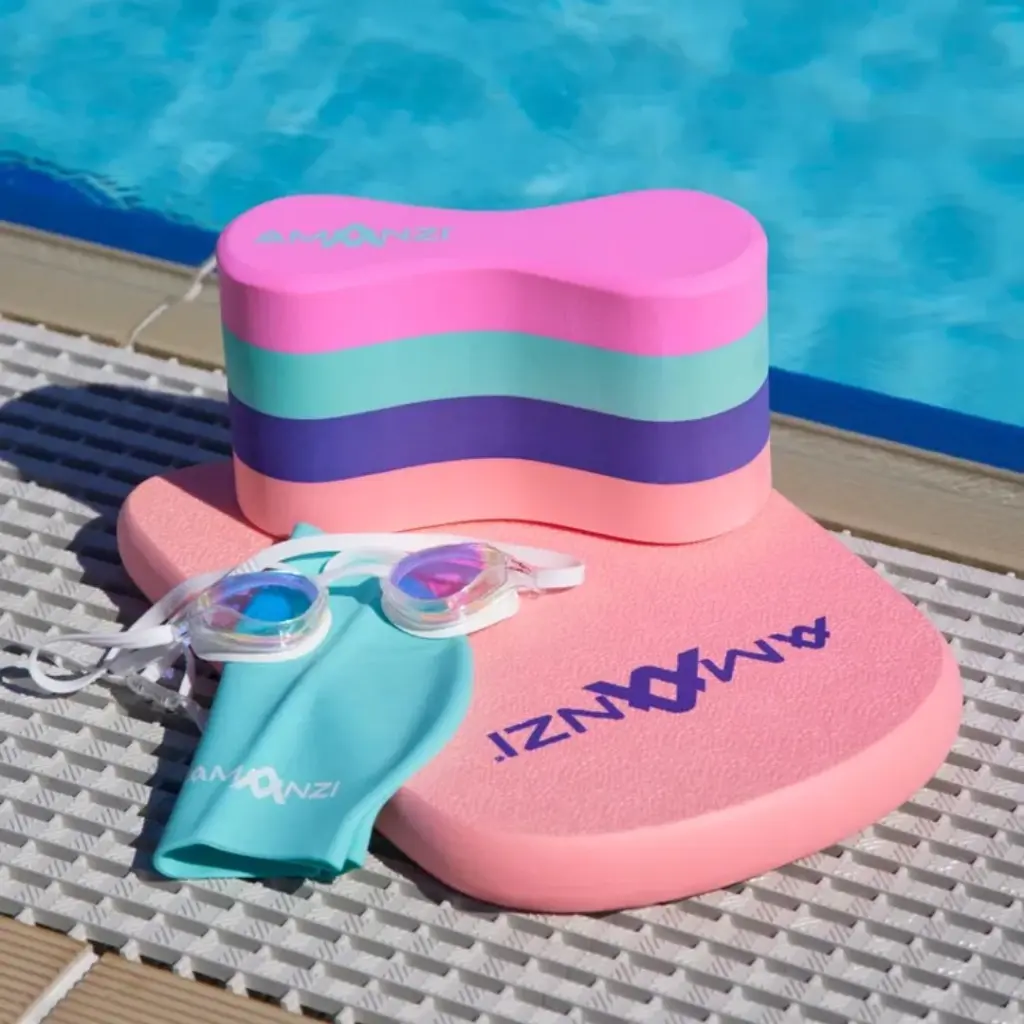
Whether you’re a beginner learning to swim or an experienced swimmer looking to improve your technique, choosing the right swimming equipment can make a big difference in your training. Two of the most popular tools you’ll find in a swimming pool are the pull buoy and the kickboard.
Although both are designed to support swim training, they serve very different purposes. A pull buoy helps you focus on your upper body and arm technique, while a kickboard allows you to isolate and strengthen your legs.
So, which one should you use, and when? Let’s explore the differences between a pull buoy and a kickboard, their benefits, and how to incorporate both into your swimming routine.
What Is a Pull Buoy?
A pull buoy is a small, lightweight flotation device, usually made from foam, that you place between your thighs or upper legs while swimming. It keeps your hips and legs afloat, allowing you to concentrate on your upper-body movements.
Pull buoys are particularly popular among freestyle swimmers because they help isolate the arms, shoulders, and upper body during training.
Benefits of Using a Pull Buoy
1. Improves upper-body technique
With your legs supported, you can focus on your arm pull, hand entry, catch, and underwater propulsion. This makes a pull buoy useful for identifying and correcting technical weaknesses.
2. Helps develop pulling strength and endurance
Pull buoy drills encourage you to generate propulsion primarily through your arms and upper body. Combined with appropriate technique work, they can help improve your pulling endurance over time.
3. Encourages better body alignment
A pull buoy supports your lower body and can help you maintain a more horizontal position in the water. This is especially helpful if your legs tend to sink during freestyle.
However, a pull buoy can also mask body-position problems, so it’s important to practise swimming without it as well.
4. Helps you focus on breathing and rotation
With less emphasis on kicking, you can concentrate on breathing patterns, body rotation, and maintaining a smooth, controlled stroke.
When Should You Use a Pull Buoy?
A pull buoy is most useful when your goal is to improve your upper-body technique or build swimming endurance.
Consider using one when:
- You want to focus on your freestyle arm stroke.
- You’re working on a consistent breathing pattern.
- You want to practise body rotation and alignment.
- You’re completing upper-body-focused endurance sets.
- You want to identify technical issues without your kick contributing as much propulsion.
Example drill: Swim 4 × 50 metres freestyle with a pull buoy, concentrating on a relaxed recovery, a strong catch, and a smooth underwater pull. Rest for 15 to 20 seconds between repetitions.
What Is a Kickboard?
A kickboard is a flat, buoyant board that you hold with your hands while swimming. It supports your upper body, allowing you to concentrate on kicking technique and leg movement.
Kickboards are commonly used by beginners learning basic kicking skills and by experienced swimmers developing stronger, more efficient kicks.
Benefits of Using a Kickboard
1. Builds leg strength and endurance
Kickboard drills isolate your legs, giving you the opportunity to develop the muscular endurance needed for sustained swimming.
2. Improves kicking technique
You can focus on maintaining a consistent kick, keeping your legs relatively straight without locking your knees, and generating movement from your hips rather than relying on excessive knee bending.
3. Develops ankle flexibility
An effective flutter kick requires relaxed ankles that allow your feet to move naturally through the water. Regular kicking practice can help you become more comfortable with this movement.
4. Helps beginners develop confidence
For new swimmers, a kickboard provides additional flotation and lets them practise leg movements without coordinating a complete swimming stroke straight away.
However, it isn’t a substitute for learning to float, breathe, and move safely without flotation aids.
When Should You Use a Kickboard?
A kickboard is ideal when your goal is to improve leg technique and develop a more effective kick.
Use one when:
- You’re learning the basics of freestyle kicking.
- You want to build leg endurance.
- Your kick feels weak, inconsistent, or inefficient.
- You’re practising a steady flutter kick.
- You want to isolate your legs during a structured swimming workout.
Example drill: Swim 4 × 25 metres using a kickboard and a relaxed freestyle flutter kick. Keep your movements small and controlled, and avoid bending your knees excessively. Rest for 15 to 20 seconds between repetitions.
Pull Buoy vs Kickboard: What’s the Difference?
Although both pieces of equipment provide flotation, they support different parts of your swimming technique.
| Feature | Pull Buoy | Kickboard |
|---|---|---|
| Main purpose | Upper-body training | Lower-body training |
| Position | Between the thighs or legs | Held in front of the body |
| Primary focus | Arm stroke and pulling technique | Kicking technique and leg endurance |
| Supports | Hips and legs | Upper body |
| Best for | Improving the pull, alignment, and stroke control | Improving kick mechanics and leg conditioning |
| Common drills | Freestyle pulling sets | Flutter-kick sets |
| Suitable for beginners | Yes, with appropriate supervision and instruction | Yes, with appropriate supervision and instruction |
The main difference is simple: a pull buoy reduces the demands of kicking so you can focus on your arms, while a kickboard reduces the demands of your arm stroke so you can focus on your legs.
Neither tool is automatically better than the other. The right choice depends on what you want to improve.
Can You Use a Pull Buoy and Kickboard in the Same Workout?
Absolutely! In fact, using both in one session is an effective way to develop a more balanced swimming routine.
Swimming relies on coordinated movement across your entire body. While pull buoy drills can help improve your upper-body technique, kickboard drills allow you to work specifically on your leg movements.
Combining them gives you an opportunity to address different aspects of your swimming without neglecting either.
Example 30-Minute Swimming Workout
Here’s a simple workout that incorporates both tools and finishes with full-stroke swimming.
1. Warm-up: 5 minutes
Swim easy lengths at a comfortable pace. Focus on relaxed breathing and smooth movements.
2. Kickboard set: 5 minutes
Complete 4 × 25 metres of kickboard flutter kicking. Focus on small, consistent kicks initiated from the hips.
3. Pull buoy set: 10 minutes
Complete 4 × 50 metres of freestyle using a pull buoy. Concentrate on your catch, body rotation, and controlled breathing. Rest for 15 to 20 seconds between repetitions.
4. Full-stroke swimming: 5 minutes
Swim 4 × 25 metres without equipment. Apply the techniques you practised during the isolated drills.
5. Cool-down: 5 minutes
Finish with easy swimming, focusing on relaxed movement and steady breathing.
Adjust the distances and rest periods to suit your fitness level. Beginners may prefer shorter repetitions and additional rest, while experienced swimmers can increase the total distance.
Which Is Better for Beginners?
For beginners, both tools can be helpful, but the best option depends on the skill you’re learning.
A kickboard is often a useful starting point if you’re learning how to coordinate your legs and develop a basic flutter kick. It allows you to practise the movement without immediately having to coordinate your arms and breathing.
A pull buoy can be useful once you’re comfortable swimming short distances and want to focus on your arm stroke or body position.
However, beginners should avoid becoming overly dependent on either device. A kickboard can encourage a head-up position that differs from good freestyle alignment, while a pull buoy can make it harder to recognise problems with sinking legs or inefficient kicking.
The ultimate goal is to transfer what you learn with the equipment into your regular swimming technique.
If you’re new to swimming, practise in a supervised pool and choose equipment that matches your ability.
Which Is Better for Improving Swimming Speed?
If your goal is to swim faster, the answer depends on what’s holding you back.
Choose a pull buoy if:
- Your arm stroke lacks efficiency.
- You struggle to maintain a streamlined body position.
- You want to concentrate on your catch and pulling mechanics.
Choose a kickboard if:
- Your kick is weak or poorly coordinated.
- Your legs tire quickly during swimming.
- You need to improve your kicking rhythm and technique.
However, neither tool guarantees faster swimming on its own. A strong kick won’t compensate for every stroke inefficiency, and a powerful arm pull won’t fully make up for poor body alignment.
For the best results, combine targeted drills with regular full-stroke swimming. This helps you develop the strength and coordination needed to translate isolated improvements into better overall performance.
Common Mistakes to Avoid
Even useful training aids can become less effective if you use them incorrectly.
Pull Buoy Mistakes
- Squeezing it too tightly: Hold it securely between your legs without unnecessary tension.
- Ignoring your body rotation: Continue practising natural rotation instead of relying only on your arms.
- Using it for every length: Include swimming without the buoy so you can develop a balanced stroke.
- Overloading your shoulders: Pulling places more emphasis on your upper body, so maintain good technique and stop if you experience pain.
Kickboard Mistakes
- Lifting your head too high: This can cause your hips and legs to drop. Keep your neck relaxed and your head in a comfortable position.
- Kicking from your knees: Avoid large, bicycle-like movements. Aim for a compact kick driven mainly by the hips.
- Making excessively large kicks: Smaller, controlled movements are often more efficient for freestyle.
- Holding the board too rigidly: Keep your grip comfortable and your shoulders relaxed.
- Overdoing kick sets: Build your workload gradually, especially if your ankles, knees, or lower back become uncomfortable.
Do You Really Need Both?
You don’t necessarily need both a pull buoy and a kickboard to become a better swimmer. If you’re training without equipment, you can still improve your technique, endurance, and speed through structured drills and regular practice.
However, both tools can make your training more focused.
A pull buoy is useful when you want to isolate your upper-body movements, while a kickboard helps you concentrate on your leg technique. If you swim regularly and want to work on different aspects of your stroke, having both available can be worthwhile.
The key is to use them with a clear purpose rather than simply adding equipment to your workout.
Final Thoughts: Pull Buoy or Kickboard?
When comparing a pull buoy vs a kickboard, the best choice comes down to your training goals.
Choose a pull buoy when you want to focus on your arm stroke, pulling technique, and upper-body endurance.
Choose a kickboard when you want to improve your flutter kick, develop leg endurance, and refine your lower-body technique.
And if you want a more balanced swimming workout, consider incorporating both before finishing with full-stroke swimming.
Remember, swimming equipment should support your progress, not replace good technique. Use each tool intentionally, practise without it regularly, and focus on building efficient, coordinated movement in the water.
With consistent practice, you’ll be better equipped to identify your weaknesses, improve your technique, and make every length count.
Ready to improve your swimming? The next time you head to the pool, choose the tool that matches your goal and see how focused practice can make a difference.