Fast & Reliable Worldwide Shipping


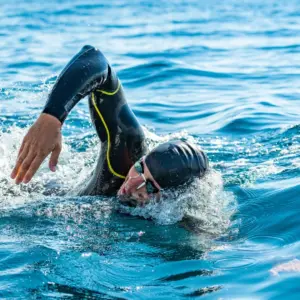




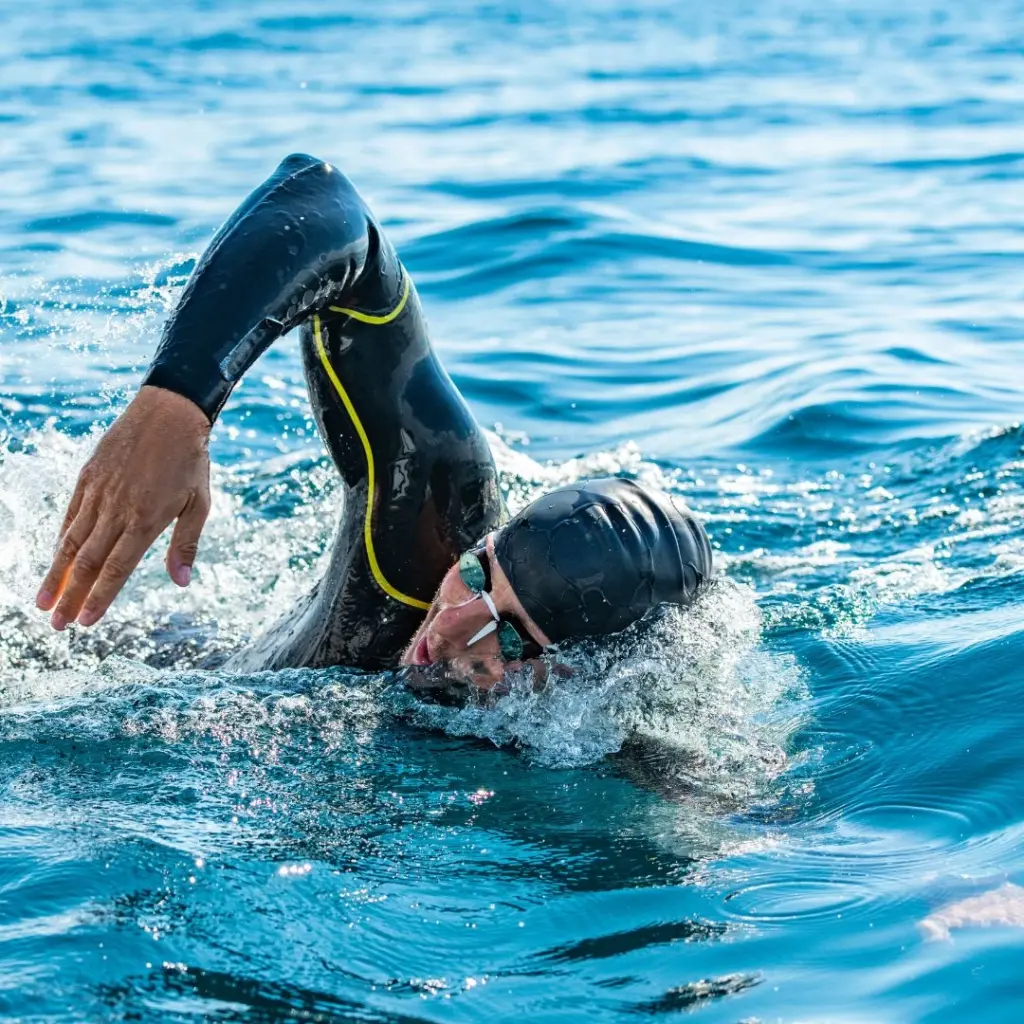
Sighting is an essential skill for open water swimming. Unlike in a pool, there are no lane lines to guide you, making it easy to drift off course and swim further than necessary.
Learning to sight effectively helps you swim straighter, save energy, and feel more confident in the water.
1. Choose a Clear Target
Before you start swimming, identify a target such as a buoy, building, or landmark on the shoreline. Focus on keeping that target in view as you swim.
2. Keep Your Head Low
Avoid lifting your entire head out of the water, as this can cause your hips and legs to drop. Instead, lift your eyes just above the surface, take a quick look forward, and return your face to the water.
3. Practise Your Rhythm
Try sighting every few strokes, adjusting the frequency depending on visibility, conditions, and how confidently you’re swimming. Practise combining a quick forward glance with your usual breathing pattern to maintain a smooth stroke.
4. Start Small and Build Confidence
Begin in a safe, designated swimming area with a nearby target. As your technique improves, gradually increase the distance and practise sighting in different conditions.
Always swim with a buddy or appropriate supervision, and be aware of boats, currents, and other water users.
How Often Should You Sight?
There is no universal rule for how often you should sight. The right frequency depends on the conditions and how confidently you can maintain your direction.
As a starting point, you could use the following guide:
- Calm water with clear landmarks: Sight every 6–10 strokes if you can maintain your line comfortably.
- Busy swimming areas: Sight more frequently to stay aware of other swimmers and your surroundings.
- Choppy water or poor visibility: You may need to sight more often because your target can disappear behind waves.
- Approaching a buoy or turning point: Increase your checks as needed to ensure you approach it accurately.
These are starting points, not strict rules. If you’re drifting off course, sight more frequently. If you’re swimming straight and conditions are clear, you may need fewer checks.
The objective is to find a balance between navigation and maintaining an efficient stroke.
Common Sighting Mistakes to Avoid
- Lifting your head too high: This can disrupt your body position.
- Looking for too long: A quick glance is usually enough.
- Sighting too infrequently: You may drift off course before noticing.
- Forgetting to relax: Keep your stroke smooth and controlled.
Final Thoughts
Sighting is a simple skill that can make a big difference to your open water swimming. With regular practice, you’ll learn to navigate more efficiently, conserve energy, and swim with greater confidence.
Remember: look quickly, keep your head low, and stay focused on your target.