Fast & Reliable Worldwide Shipping

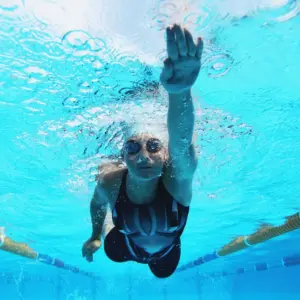
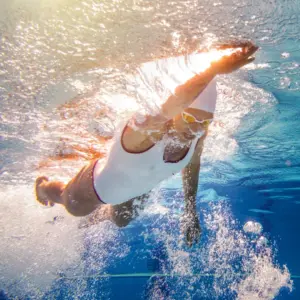



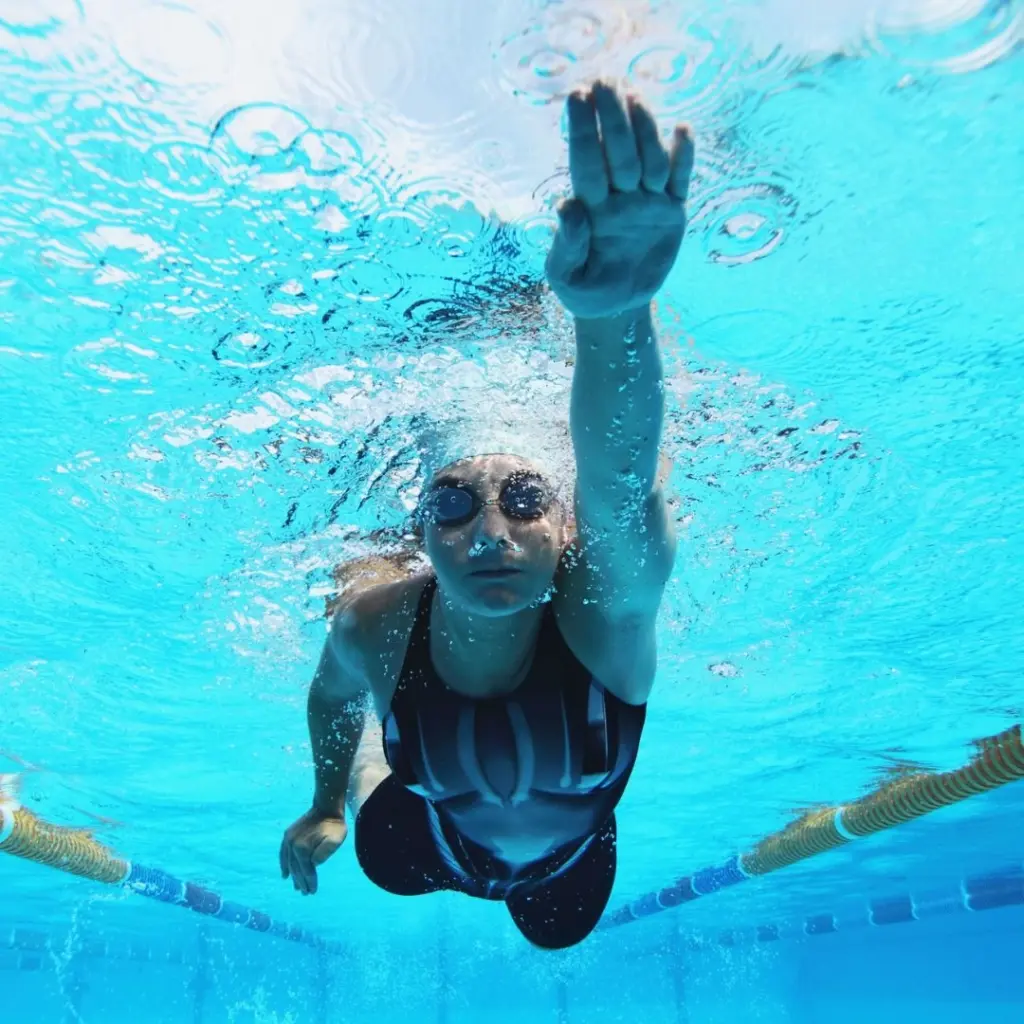
Swimming is more than a fun way to cool down on a hot day. It is a form of exercise that works many parts of the body at the same time. Whether you are a beginner or an experienced swimmer, regular swimming can support your physical fitness and overall wellbeing.
Here are 10 health benefits of swimming you should know.
1. Improves Cardiovascular Fitness
Swimming gets your heart pumping and your lungs working. Because swimming can be performed continuously for extended periods, it can help develop cardiovascular endurance. Over time, regular aerobic exercise such as swimming can help your heart and lungs work more efficiently.
2. Works Your Whole Body
One of the biggest advantages of swimming is that it involves many different muscle groups. Your arms, legs, shoulders, back, and core all contribute to moving your body through the water.
Different strokes also emphasize different movements, allowing swimmers to vary their workouts.
3. Builds Muscular Strength
Water provides resistance in every direction. As you push and pull against the water, your muscles have to work to maintain movement.
Regular swimming can therefore help develop muscular strength and endurance without requiring traditional weightlifting equipment.
4. Supports Joint-Friendly Exercise
Water supports much of your body weight while you exercise. This reduces the impact placed on your joints compared with many activities performed on land.
For people looking for a lower-impact form of exercise, swimming can be a useful option. However, anyone with a medical condition or injury should seek appropriate professional advice about suitable exercise.
5. Helps Improve Flexibility and Mobility
Swimming requires your body to move through a wide range of positions. Reaching forward with the arms, rotating the shoulders, kicking the legs, and turning the body all involve movement around different joints.
Practising different strokes can help you develop better movement and body coordination.
6. Can Help Manage Stress
Exercise is often associated with improved mood and reduced feelings of stress. Swimming can be particularly relaxing because of its repetitive movements, controlled breathing, and the sensation of being surrounded by water.
For many people, a swim can provide an opportunity to take a break from daily distractions.
7. Helps Develop Coordination
Swimming is a coordinated activity. Your arms, legs, breathing, and body position need to work together to move efficiently through the water.
Learning different strokes can therefore challenge your coordination and body awareness.
8. Can Help With Weight Management
Swimming uses energy because the body has to work against water resistance. The amount of energy used depends on factors such as swimming speed, stroke, duration, body size, and fitness level.
Combined with a balanced diet and an appropriate overall exercise routine, swimming can be part of a healthy approach to managing body weight.
9. Can Improve Endurance
Swimming continuously requires your muscles and cardiovascular system to keep working for an extended period. As you practise, you can gradually increase the distance or duration of your sessions.
This can help develop stamina, making everyday physical activities feel easier for some people.
10. Develops an Important Life Skill
Unlike many other forms of exercise, swimming can also provide an important practical skill. Being comfortable and competent in the water can contribute to water safety.
However, swimming ability is not a guarantee of safety. Conditions such as currents, cold water, fatigue, and unexpected situations can create serious risks, so swimmers should always follow appropriate water-safety guidance.
Making Swimming Part of Your Routine
You do not need to be an Olympic swimmer to benefit from swimming. Beginners can start with short, comfortable sessions and gradually build their fitness and confidence.
A good swimming session might include a gentle warm-up, a mixture of swimming and rest periods, and a relaxed cool-down. Focusing on good technique is also important because efficient movement can make swimming more comfortable and enjoyable.
The Bottom Line
Swimming is a versatile form of exercise that can support cardiovascular fitness, muscular endurance, coordination, mobility, and mental wellbeing. It is also a valuable life skill that can make spending time around water safer.
Whether you swim for fitness, relaxation, competition, or simply enjoyment, making swimming part of a balanced active lifestyle can be a rewarding choice.
So, the next time you jump into the pool, remember: you’re not just swimming, you’re giving your body a workout from head to toe.