Fast & Reliable Worldwide Shipping


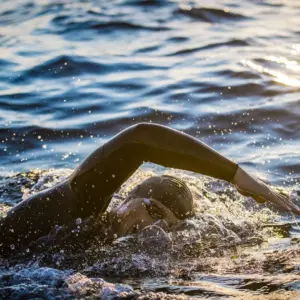
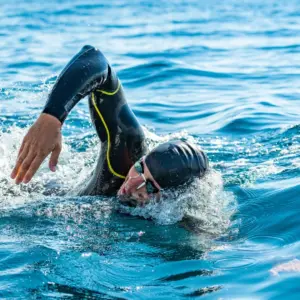


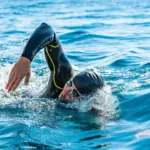
Open-water swimming is an incredible way to connect with nature, challenge yourself, and experience the freedom of swimming beyond the pool. Whether you’re swimming in the sea, a lake, or a river, the experience can be refreshing, rewarding, and unforgettable. However, one of the biggest challenges of open-water swimming is staying warm, especially when temperatures drop.
Keeping warm in open water isn’t just about comfort; it’s also essential for your safety, endurance, and enjoyment. With the right preparation, equipment, and techniques, you can make every swim more comfortable and confident.
1. Choose the Right Wetsuit
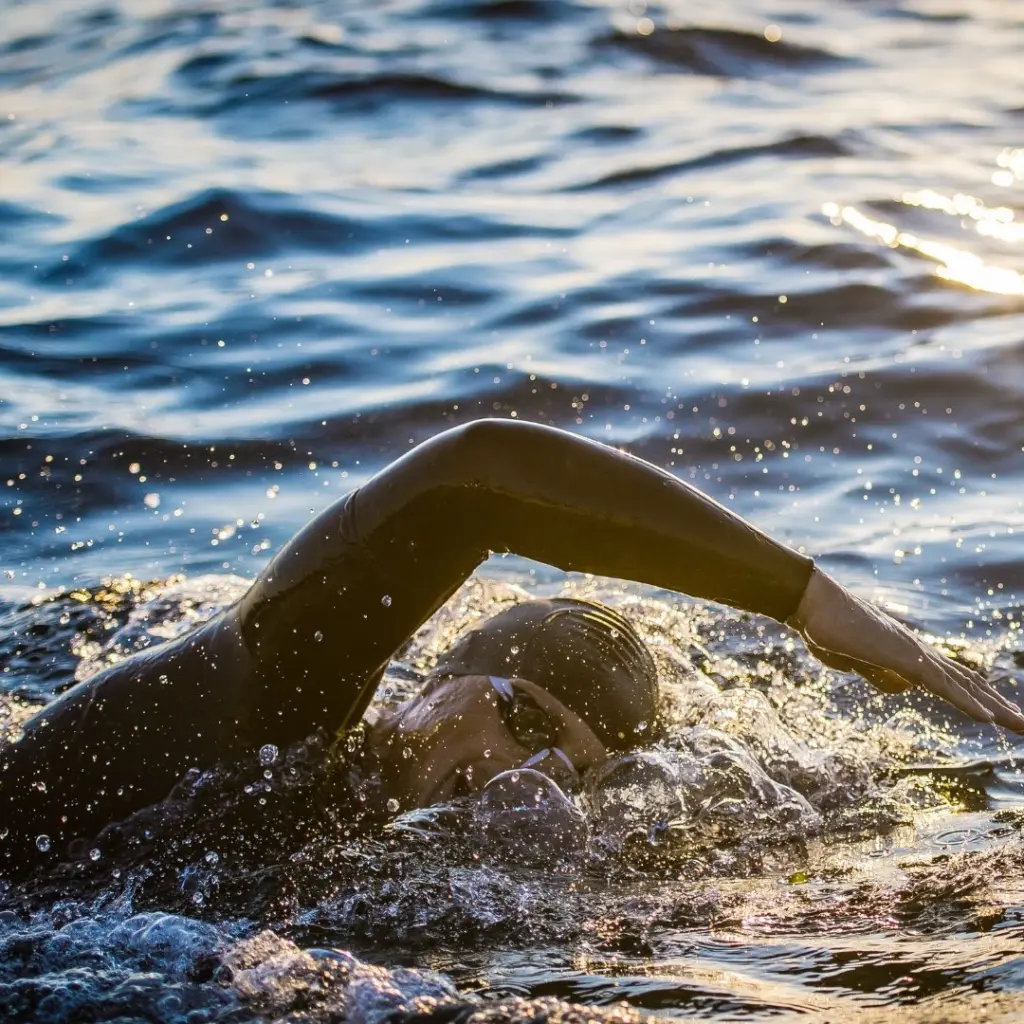
A good-quality wetsuit is one of the most effective ways to retain body heat during open-water swimming. Wetsuits are designed to reduce heat loss by trapping a thin layer of water between your skin and the neoprene, which your body warms.
When choosing a wetsuit, consider the water temperature, the duration of your swim, and how much flexibility you need. A thicker wetsuit generally provides more insulation in colder conditions, while a thinner suit offers greater freedom of movement in warmer water.
Make sure your wetsuit fits snugly without restricting your breathing or swimming technique. A poor fit can allow cold water to flush through the suit, making it harder to stay warm.
2. Protect Your Head, Hands, and Feet
Your extremities can feel the cold quickly, particularly during longer swims or in colder water. Wearing the right accessories can help you stay more comfortable.
- Neoprene swimming cap: A thermal or neoprene cap can help reduce heat loss from your head.
- Neoprene gloves: These can provide additional insulation for your hands in colder conditions.
- Neoprene boots: These help protect your feet from cold water, sharp stones, and rough surfaces when entering or leaving the water.
Choose accessories that suit the conditions and allow you to swim safely and comfortably.
3. Warm Up Before You Enter the Water
Preparing your body before a swim can make a real difference to how you feel. Start by keeping yourself warm on land and doing some gentle movement, such as walking, arm circles, or light mobility exercises.
Avoid standing around in wet clothing or exposing yourself to cold wind for too long before entering the water.
Enter the water carefully and allow yourself time to adjust. Cold water can trigger an involuntary gasp and rapid breathing, so never rush straight into a strenuous swim. Keep your breathing under control before beginning to swim, and stay close to a safe exit.
4. Get Changed Quickly After Your Swim
What you do after leaving the water is just as important as how you prepare beforehand.
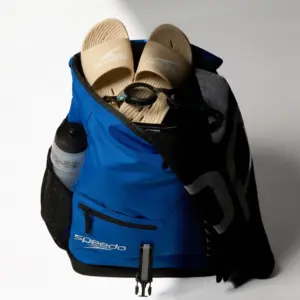
Your body can continue losing heat after you finish swimming, so have your post-swim clothing ready before you enter the water.
Follow these simple steps:
- Remove your wet swimsuit or wetsuit as soon as practical.
- Dry yourself thoroughly with a warm towel.
- Put on dry, insulating layers, including a hat and warm socks.
- Drink a warm, non-alcoholic beverage if you feel comfortable doing so.
- Rest somewhere sheltered and continue warming up gradually.
Avoid relying on a hot shower immediately after a very cold swim, particularly if you feel unwell, dizzy, or numb. Warm up gradually and seek medical help if you develop concerning symptoms.
5. Know Your Limits and Listen to Your Body
One of the most important rules of open-water swimming is understanding your personal limits. Water temperature, wind, fatigue, swimming ability, and the length of your swim can all affect how quickly you become cold.
Cold water can impair coordination and muscle function, while prolonged exposure can lead to hypothermia. You may also experience afterdrop, where your core temperature continues to fall after leaving the water.
Pay attention to warning signs such as uncontrollable shivering, numbness, confusion, unusual weakness, or difficulty coordinating your movements. Leave the water promptly if you begin to struggle, and seek urgent medical assistance if symptoms are severe or you suspect hypothermia.
Never assume that being an experienced swimmer makes you immune to the effects of cold water.
6. Check the Conditions Before Every Swim
Before heading out, check the water temperature, weather forecast, wind, tides, currents, and any local safety warnings.
Remember that air temperature can be misleading. A sunny day does not necessarily mean the water is warm, and wind can make you feel much colder when you emerge from the water.
Whenever possible, swim with a buddy or at a supervised venue. Choose a location with safe entry and exit points, tell someone your plans, and consider using a brightly coloured swim cap and a suitable tow float for visibility.
Plan your swim around the conditions rather than aiming for a particular distance or duration. If conditions deteriorate, be prepared to shorten or cancel your swim.
7. Build Your Cold-Water Confidence Gradually
If you’re new to open-water swimming, there’s no need to push yourself into very cold conditions straight away.
Start in relatively mild conditions and build your experience gradually. Focus on relaxed breathing, good technique, and recognising how your body responds to the water.
Increase your exposure cautiously, rather than using a fixed time target that may not be safe for everyone. Never swim alone to practise cold-water tolerance, and don’t use shivering or numbness as a sign that you’re making progress.
The aim is to develop confidence while respecting the risks, not to see how long you can endure the cold.
Final Thoughts: Enjoy the Water, Stay Warm, and Swim Safely
Open-water swimming offers a unique sense of freedom, adventure, and connection with the natural world. With the right equipment, thoughtful preparation, and a good understanding of cold-water safety, you can make your swimming experience more enjoyable throughout the year.
Remember to dress appropriately, protect your extremities, warm up gradually, prepare dry clothing for afterwards, and always pay attention to changing conditions and how your body feels.
Most importantly, staying warm starts with staying safe. You don’t need to swim for longer or endure colder temperatures to enjoy the benefits of open water. Make sensible choices, respect your limits, and enjoy every moment in the water.
Ready to make your next open-water swim more comfortable? Prepare your kit, check the conditions, and make warmth and safety part of every swim.